The Spare Part in the Hallway: Storing, Reusing or Retiring an Old Internal Door
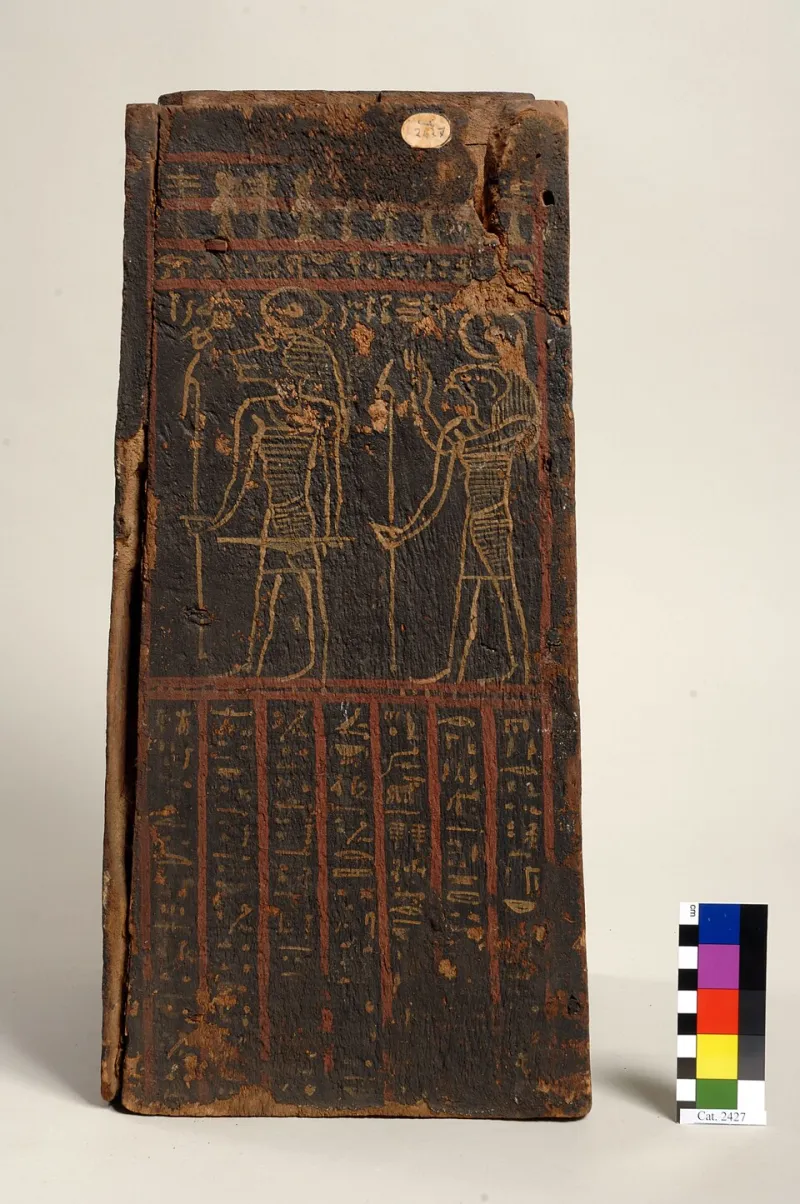
Photo: Unknown, CC0, via Wikimedia Commons
There is a particular moment after a door swap when the new door looks brilliant and the old one looks like a problem. It is leaning against the hallway wall, still wearing its old handles, and somehow taking up more space than it did when it was hung. Before it becomes a permanent obstacle, it is worth making a calm decision about it.
An old internal door is not automatically rubbish. It might be a spare part, a pattern for a future match, a useful piece of timber, or a genuinely saleable period fitting. It might also be a fire door that should not be passed on like a spare chair. The trick is to assess it properly before it ends up in a skip.
Start with a five-minute assessment
Put the door somewhere with decent light and look at it honestly. Check the edges of the stiles and rails, the bottom rail in particular, and the area around the hinges. Look for splits, soft timber, woodworm holes, delamination on hollow-core doors, and any sign that the door has been trimmed so much that its structure is compromised. A door that has been planed within an inch of its life may still open and close, but it is less useful as a future spare.
Measure it properly: width, height and thickness. UK internal doors come in a mix of imperial and metric sizes, and an odd size is not a disaster, but it does affect how easy it will be to rehome. Note the hinge positions too. A door with unusual hinge recesses can still be reused, but it may need more work than a standard replacement.
Then look for a fire label, a certificate, or any evidence that the door was sold as a fire door. That changes the conversation entirely.
The fire door exception
A certified fire door is not a normal door with a fancy label. Its performance depends on the whole assembly: the door, the frame, the gaps, the seals, the hinges and the hardware. Once it has been removed, altered, trimmed, drilled for a new letterplate or fitted with untested hardware, you cannot assume it is still a fire door in any meaningful sense.
If you have removed a fire door, do not reuse it as a shed door, a garden gate or a casual spare. Do not sell it as a fire door unless you can prove its history and it remains suitable for the intended assembly. If in doubt, ask a qualified fire door specialist. The safe default is that a removed fire door should not be recycled into another role where fire performance might matter.
Storing it without regret
If you are keeping the door for now, store it properly. Damp garages and cold sheds are where good doors go to warp. Choose a dry, frost-free space and keep the door off the floor. Ideally, store it flat on timber battens so air can move around it, or upright with proper support so it cannot fall. Leaning a heavy door against a wall for months is how you end up with a twisted door and a dent in the plaster.
Wrap it in a breathable sheet rather than plastic, which can trap moisture. Bag the hinges, handles and any unusual hardware and tape the bag to the door. Label it with the room it came from, its measurements and the date it was removed. Future you will not remember any of that.
When keeping a period door makes sense
Original doors are worth thinking about carefully, especially in Victorian, Edwardian and 1930s homes. Four-panel doors, decorative mouldings and old pine doors are not made in the same way now, and matching one later can be expensive or impossible. If you have removed an original door to fit a new one, keeping it dry and labelled is often sensible, even if you do not have an immediate use for it.
In a listed building, removal of an internal door may need listed building consent if it affects the building's character. If an original door has come out, keep it safe and take advice before disposing of it. Conservation areas have different rules, so check with the local authority rather than assuming.
Reuse and resale
A sound old door can be reused in the same house: as a cupboard door, a loft hatch, a workshop door or a temporary door while another is being finished. Use it internally and keep an eye on weight and hinge suitability. Do not force a hollow-core door into a role that needs a solid, secure door.
If you do not need it, resale is often better than disposal. Architectural salvage yards, local reclaimers and online marketplaces all deal in old doors. Be honest about condition, measurements and whether it is a fire door. A solid pine door with good panels may find a buyer; a warped hollow-core door with a split skin probably will not. Remove the hardware first, because old handles and hinges often sell separately.
Disposal without the skip guilt
If the door is beyond sensible reuse, dispose of it responsibly. Remove metal hardware for recycling. Check whether your council offers a bulky waste collection or accepts timber at a household waste and recycling centre. Skip hire may need a permit if the skip goes on a public road, and charges vary by council in 2026. Do not burn painted old doors in a domestic stove or bonfire; old paint and finishes can release unpleasant fumes.
A simple rule helps: keep original or period doors if you have dry storage; reuse or resell sound doors; recycle timber where local facilities allow; and treat damaged fire doors as a specialist disposal question rather than a DIY one. The old door in your hallway is not just clutter. It is a decision, and it is worth making it properly.