Before the Heating Wins: A Room-by-Room Autumn Check for Sticking Doors
November is an awkward month for internal doors. The heating clicks on, the air indoors dries out, and the timber in your doors starts to move. One morning the bathroom door catches on the floor; the next, the spare-room latch refuses to click home. None of this is unusual in a British home, especially in older houses where frames are rarely perfectly square. The trick is to catch the small stuff before it becomes a winter-long annoyance.
Start with a five-minute whole-house sweep
Before you reach for a screwdriver, walk the house and open and close every internal door. Listen for squeaks, watch for dropped edges, and feel for that little resistance just before the latch engages. Make a note of anything that sticks, scrapes, rattles or refuses to stay shut. This is your door MOT, and it is much easier to do now than in January when you are balancing a cup of tea and a draught excluder.
Pay attention to the season too. A door that sticks in July may be fine in November, and a door that swings freely in summer can swell just enough to catch on a rug once the central heating is running. Timber is not static. It expands and contracts with humidity, which is why the same door can behave differently from one month to the next.
What the heating is actually doing to your doors
Most internal doors in UK homes are timber or timber-effect constructions, and even engineered doors with stable cores can move slightly at the edges. As the heating comes on, indoor air dries out and the door shrinks a little. Then a damp spell arrives, the air gets heavier, and the door swells again. That is why November is such a common month for sticking doors: the building is transitioning from autumn damp to winter warmth.
A sticking door is not automatically a bad door. Seasonal movement is normal, particularly on solid timber doors and older properties. The question is whether the movement is minor and predictable, or whether it is caused by a twisted frame, a dropped hinge or a door that was never quite the right size. That is where a bit of diagnosis saves money.
The quick wins: hinges, latches and squeaks
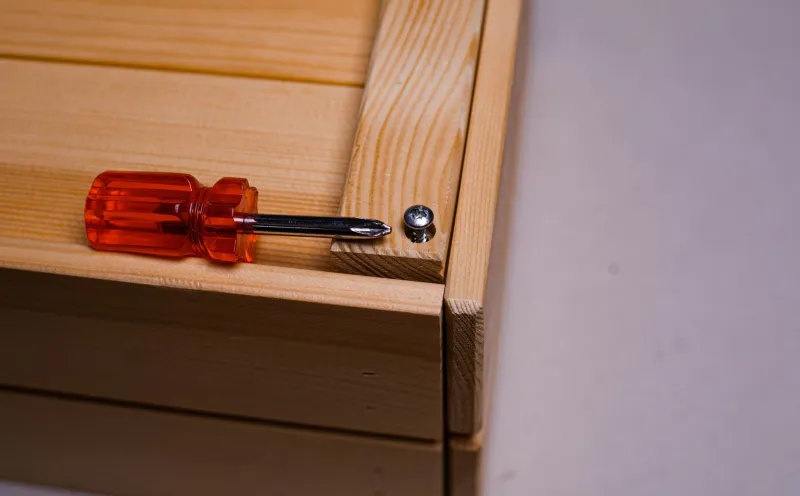
Start with the hardware, because it is the easiest thing to fix. A squeaking door is usually a dry hinge, not a supernatural event. A few drops of silicone lubricant or a proper hinge oil worked into the knuckle will often quieten it. Do not drown the hinge in WD-40 and call it a day; that can attract dust and leave you with a sticky mess. If the hinge is loose, tighten the screws. If the screw holes are worn, replace the screws with slightly longer ones or fill the holes with a matchstick and wood glue before refitting. This is a classic old-house fix, but it works.
Next, look at the latch and strike plate. If the door closes but needs a shove, the strike plate may be slightly out of line. A small adjustment with a screwdriver, or a light file on the edge of the plate, can make the difference. If the latch clicks but the door still rattles, the plate may need packing out or moving a couple of millimetres. Do not start planing the door until you have checked the hardware. It is surprising how often a so-called sticking door is really a latch alignment issue.
Room by room: where to look first
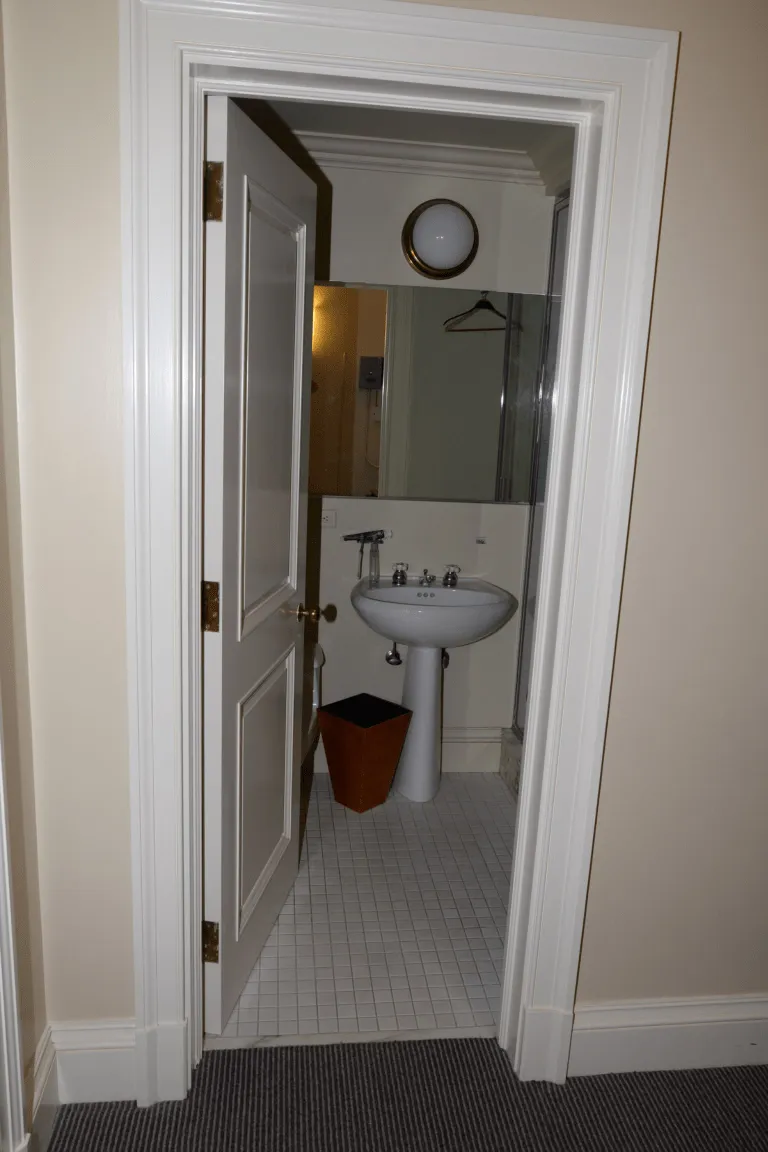
The bathroom is the usual suspect. Steam and moisture make the door swell at the bottom edge, and many bathroom doors are already cut close to the floor. Check whether the door is catching on the floor or the frame. If it is, dry the room out, run the extractor fan, and make sure the door is sealed or painted on all edges. Bare timber soaks up moisture, which makes swelling worse.
The kitchen is next. Steam, cooking and a warm hob can affect the door nearest the worktop. Check the hinges for looseness and the bottom edge for swelling. If the door is hollow-core and has been knocked, replacement may be more sensible than repair, especially if the damage is near the latch block.
In bedrooms, squeaks and rattles are the main complaints. A door that rattles in its frame may need a simple draught seal, a small adjustment to the strike plate, or a touch of felt on the stop. If the door drops on its hinges and scrapes the floor, the top hinge may be loose or the door may need re-hanging. A door that has dropped slightly can often be fixed by tightening the hinges and checking the frame, but if the hinge recesses are damaged, it is a job for someone with a chisel and a steady hand.
Hallways and landings are where doors get the most traffic. Check for loose hinges, scuffed edges and latches that no longer line up. If a door has been slammed repeatedly, the frame can move. A few minutes with a screwdriver now can prevent a more expensive repair later.
When planing is the right fix
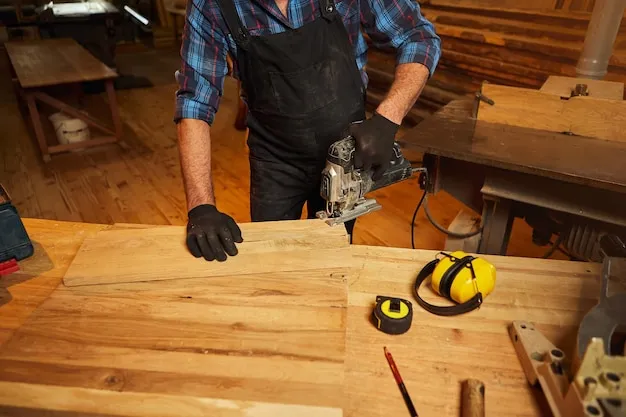
If the door is catching along the top or side edge and the frame is sound, planing a small amount from the door edge may be the answer. But this is a cautious job. Remove the door, mark the area that needs attention, and take off less than you think you need. You can always plane a little more; you cannot put it back. Seal or paint the newly exposed edge straight away, especially in bathrooms and kitchens, because bare timber will absorb moisture and swell again.
Do not plane a fire door unless you know what you are doing. Fire doors are designed with specific gaps and intumescent seals, and altering them can compromise their performance. If you live in a flat with a fire door at the entrance, or you have a fire door between a garage and the house, get proper advice before making adjustments.
The five-minute fix versus the replacement decision
Most autumn door problems are maintenance issues: a loose hinge, a dry squeak, a latch out of line, a small seasonal swell. Those are five-minute fixes, or at most an hour with a screwdriver and a plane.
Replacement starts to make more sense when the door is warped beyond adjustment, cracked through the panels, damaged around the lock or latch block, or has been planed so much that there is barely any edge left. It is also worth considering replacement if the door is hollow-core and flimsy, if it does not meet the fire rating you need, or if you have repeatedly planed the same door and it keeps swelling back. At that point you are not maintaining a door; you are fighting it.
A new door is not always the cheaper option, but it can be the smarter spend if the old one is structurally tired. The key is to fix the cheap things first. Tighten the hinges, adjust the strike plate, seal the edges, and add a simple draught seal where it is safe to do so. If the door still fights you after that, you can make a replacement decision with a clear conscience.
A quick November checklist
- Open and close every internal door; note sticks, scrapes and rattles.
- Tighten hinge screws and lubricate squeaky hinges.
- Check latches and strike plates before planing anything.
- Look for swollen bottom edges in bathrooms and kitchens.
- Seal or paint bare door edges to reduce moisture absorption.
- Fit draught seals only where they will not interfere with fire doors.
- Planing should be minimal, cautious and followed by sealing.
- If a door is warped, cracked or repeatedly swelling, consider replacement.
A little attention now will make the house feel calmer when winter properly arrives. Doors should close with a satisfying click, not a shoulder charge. In November 2026, that is a small win worth having.