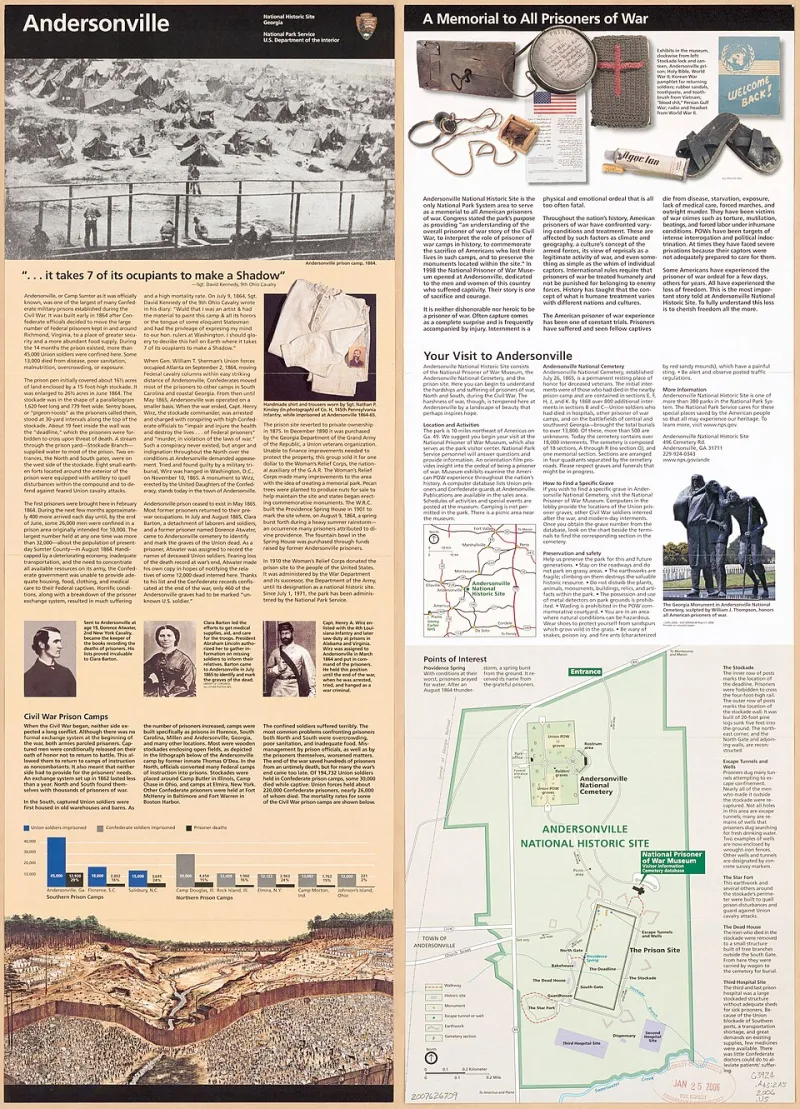
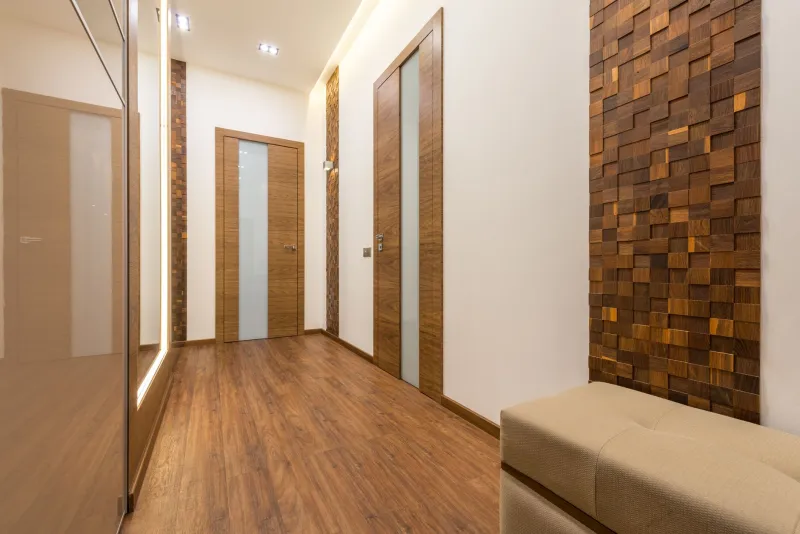
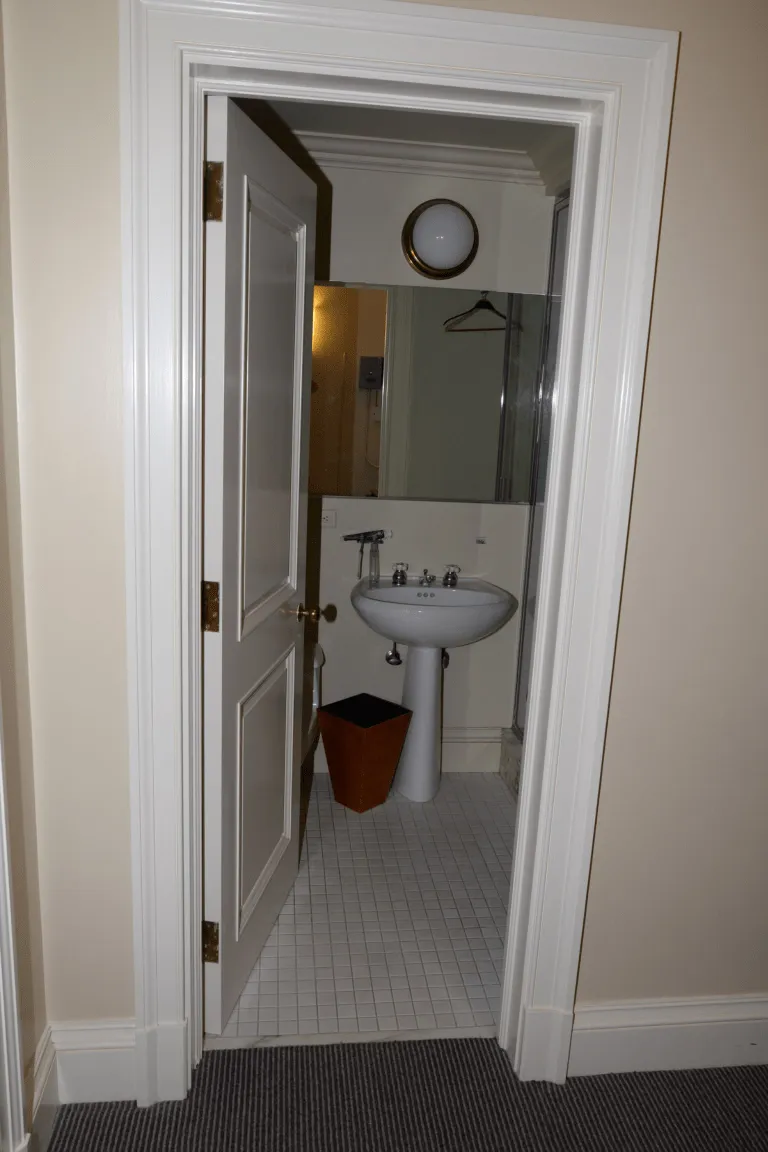
Before You Swap That Door: Fire Ratings, Flat Entrances and the Bits Homeowners Often Miss
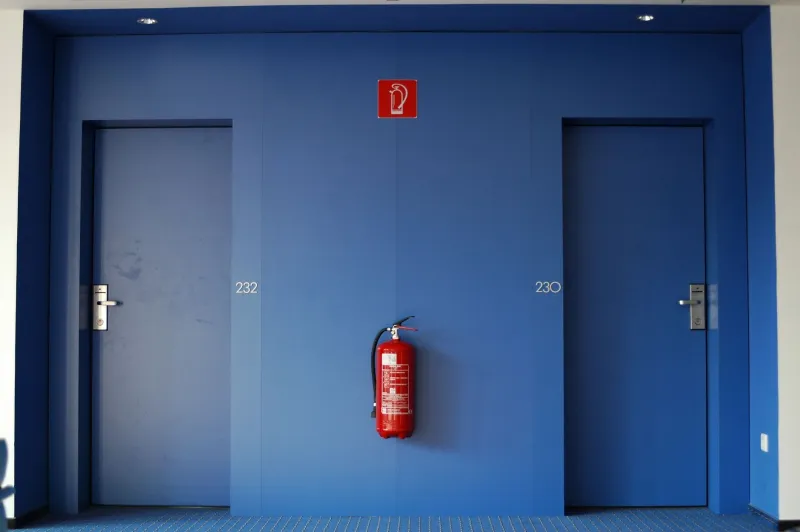
It is not just another door swap
Most internal doors are a design decision. You pick a style, check the swing, argue about whether oak goes with the carpet, and get on with it. Fire doors are different. They are a safety device that happens to look like a door, and in some UK homes they are not optional.
The tricky part is that fire doors rarely announce themselves loudly. A flat entrance door might look like a nice solid-core door with a closer on it. A garage door might be painted the same shade as everything else. A loft conversion door might have been fitted years ago and quietly left alone. Then someone decides a slatted door would look better, swaps it out, and accidentally removes a layer of protection they did not know they had.
This is not about scare tactics. It is about knowing which doors in your home are doing a job, and how to keep them compliant without making the hallway look like a budget hotel corridor.
Where fire doors actually turn up in UK homes
The rules are not identical across the UK, and they are not identical for every property. In England and Wales, Approved Document B is the usual reference point for building regulations; Scotland and Northern Ireland have their own systems. But in everyday homeowner terms, fire doors tend to appear in a few familiar places.
Flats and maisonettes. The front door to a flat is often a fire door, particularly where it opens onto a communal corridor or stairwell. It may also need smoke seals, not just fire resistance. Leaseholders should check before changing it, because the freeholder or managing agent usually has a say.
Integral garages. A door between a house and an integral garage is commonly fire-rated. This is one of the easiest doors to forget because it is often a plain, painted door that nobody looks at twice.
Loft conversions. Building control will often require a fire door somewhere in the escape route, depending on the layout and the age of the conversion. Do not assume the door at the bottom of the stairs is just a normal door because it looks like one.
Rented properties. Landlords have legal duties around fire safety, and HMOs, flats and rented houses may need fire doors in specific positions. If you rent, get permission before changing any door, even if you are paying for it yourself.
New builds and renovations. If a door was specified as fire-rated on the plans, it needs to stay fire-rated. Swapping it for a standard door can create a problem at sale, remortgage or inspection time.
What FD30 and FD60 actually mean
FD30 means the door assembly has been tested to resist fire for at least 30 minutes. FD60 means 60 minutes. The important word there is assembly. A fire door is not just a slab of wood with a fancy label. It is the door leaf, the frame, the seals, the hinges, the closer and the way it is fitted.
A 30-minute rating does not mean you have 30 minutes to calmly gather photo albums and find the cat. It means the door has been tested under controlled conditions to hold back fire and smoke for a period. Real fires are messier than test fires. The rating is a buffer, not a schedule.
FD30 is common in domestic situations. FD60 turns up where a longer period of protection is needed, often in more complex buildings. If you are unsure which applies, do not guess from the door's thickness. Ask building control, your landlord or a qualified fire door specialist.
The label is the boring bit that matters most
A fire door without traceability is just a heavy door with a hopeful expression. Look for a certification label, plug or tag from a recognised scheme. In the UK you will see names such as Certifire, BM TRADA Q-Mark and similar third-party certification marks. These tell you the door or door set has been tested and assessed, and they help prove what it is.
There is a difference between a fire door leaf and a fire door set. A leaf is the door itself. A set usually includes the frame, seals and hardware as a tested system. Mixing a certified leaf with an uncertified frame and random hinges can undermine the whole thing. It is a bit like buying a safety helmet and cutting a hole in it for ventilation.
If you are buying a replacement, ask for the certificate and keep it. Photograph the label before it gets painted over. Future you, trying to sell a flat, will be grateful.
Frames, strips, seals and closers: the supporting cast
A fire door needs the right bits around it. Intumescent strips swell up when exposed to heat and help seal the gap between the door and frame. Smoke seals do a different job: they restrict cold smoke, which is often the thing that makes escape routes dangerous long before flames arrive.
Then there is the closer. That slightly annoying mechanism that stops the door slamming is not there to irritate you. It is there to make sure the door actually closes itself. Removing it, wedging the door open or loosening it so it no longer latches can turn a compliant door into a decorative one.
Gaps matter too. Too big and the seals cannot do their job. Too small and the door will not close properly. Hinges need to be suitable and correctly fitted. The frame needs to be sound and securely fixed. This is not a job for a quick YouTube session if the door is part of a fire strategy.
The expensive mistake: swapping compliance for style
Replacing a fire door with a prettier standard door is one of the most common and costly errors in UK homes. It often happens during a renovation when the original door looks tired, or when a homeowner wants everything to match. The new door looks great. The old one goes to the tip. Nobody notices until there is an inspection, an insurance query, a lease issue or, worst case, a fire.
A standard door is not a fire door. Solid timber does not automatically make it one. A heavy door does not automatically make it one. A door with a closer on it does not automatically make it one. It needs the right construction, the right certification and the right installation.
Can you have style and compliance?
Yes, and this is where it gets less gloomy. Fire-rated doors are available in far more finishes than the old idea of a plain white slab. You can get fire-rated oak veneer doors, fire-rated glazed doors with tested fire glass, primed doors ready for colour, and hardware that looks good without compromising the rating. A fire door can sit happily in a period home or a modern flat if it is specified properly.
The catch is that you cannot simply buy a nice-looking door and hope. You need a certified product, the correct frame and seals, and an installer who understands fire doors. If the door is in a flat entrance or a communal area, check the lease and talk to the managing agent before ordering anything.
A sensible checklist before you buy
- Confirm whether the existing door is actually a fire door, and whether it needs to stay one.
- Check the lease, building regulations approval or landlord requirements before changing anything.
- Buy a certified door or door set, not just a door that looks solid.
- Make sure the frame, seals, hinges and closer are suitable for the rating.
- Do not remove or disable the closer, and do not wedge the door open.
- Keep the certificate, label details and installation paperwork.
- If in doubt, ask building control or a qualified fire door installer rather than guessing.
A fire door is not the most glamorous part of a renovation. But it is one of the few doors in the house where getting it wrong can cost far more than a new handle and a tin of paint. Keep the compliance, choose the style carefully, and the hallway can still look like it belongs in a magazine rather than a safety notice.